



 Home /
 Maximizing Corrosion Resistance: Why Choose PTFE Lined Butterfly and Ball Valves?
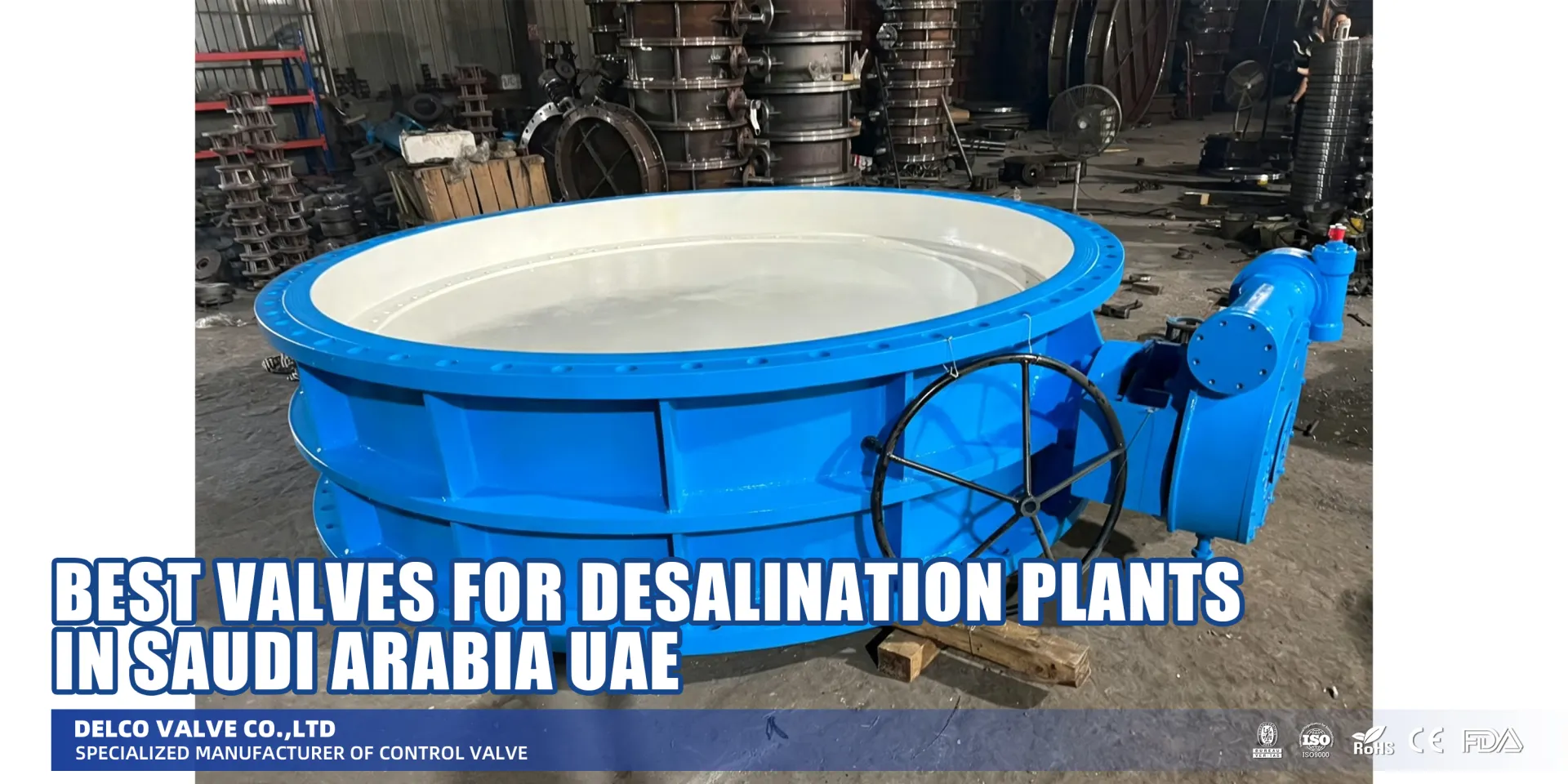
Best Valves for Desalination Plants in Saudi Arabia and UAE
Jul 30, 2026
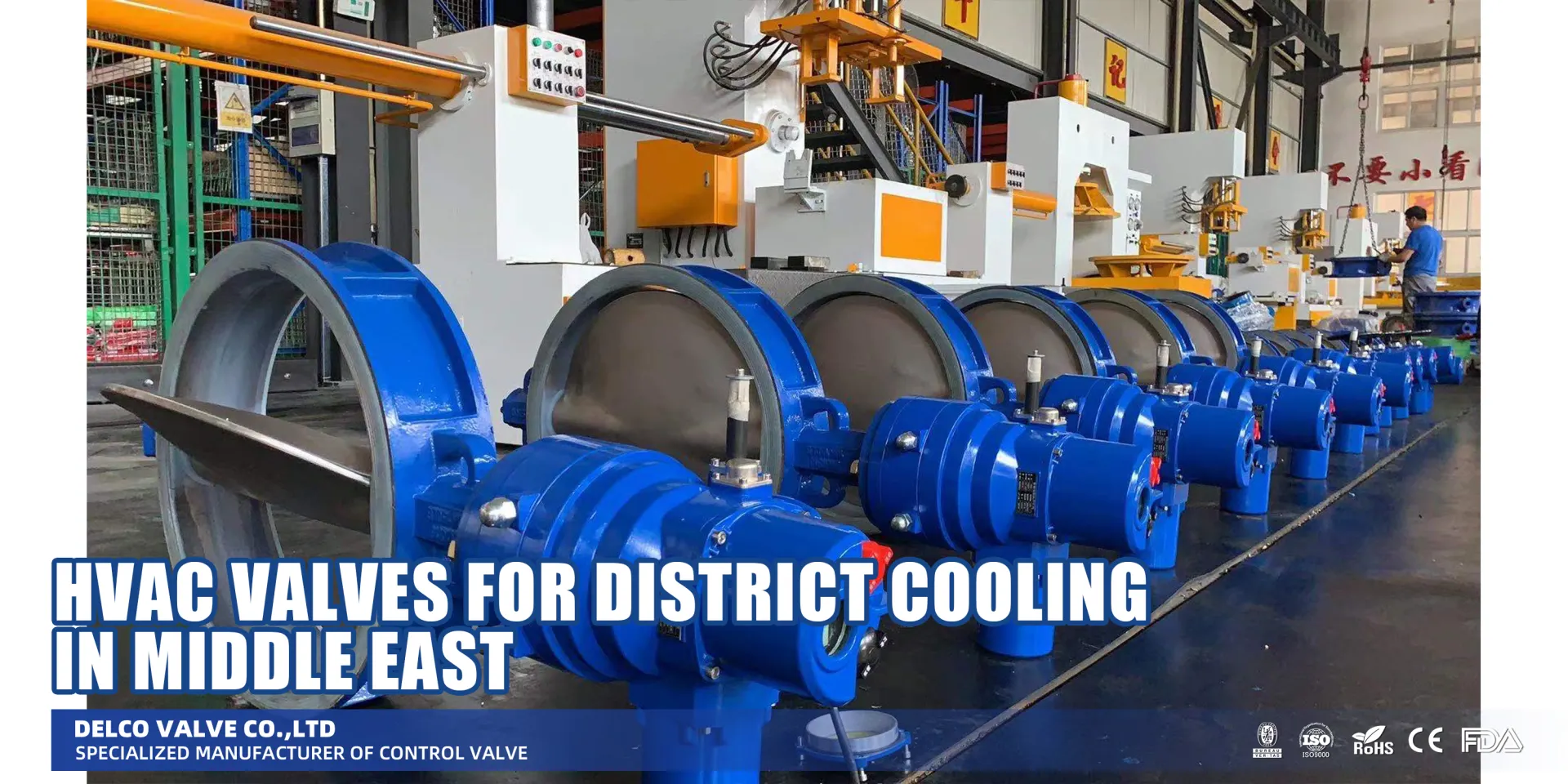
HVAC Valves for District Cooling Systems in Middle East: Selection Guide
Jul 27, 2026
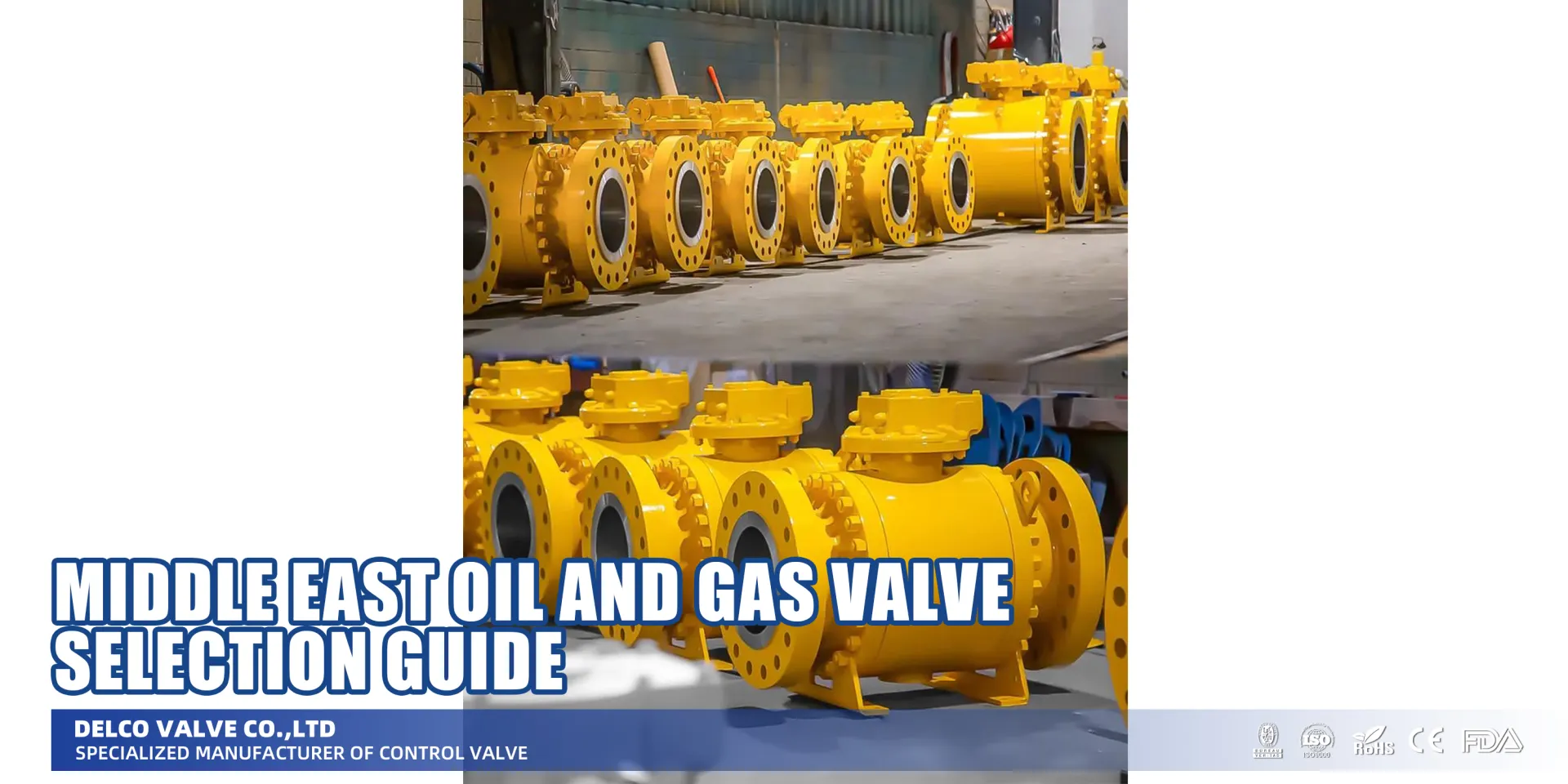
Valves for Middle East Oil and Gas Industry: Selection Guide for Harsh Desert Environments
Jul 25, 2026
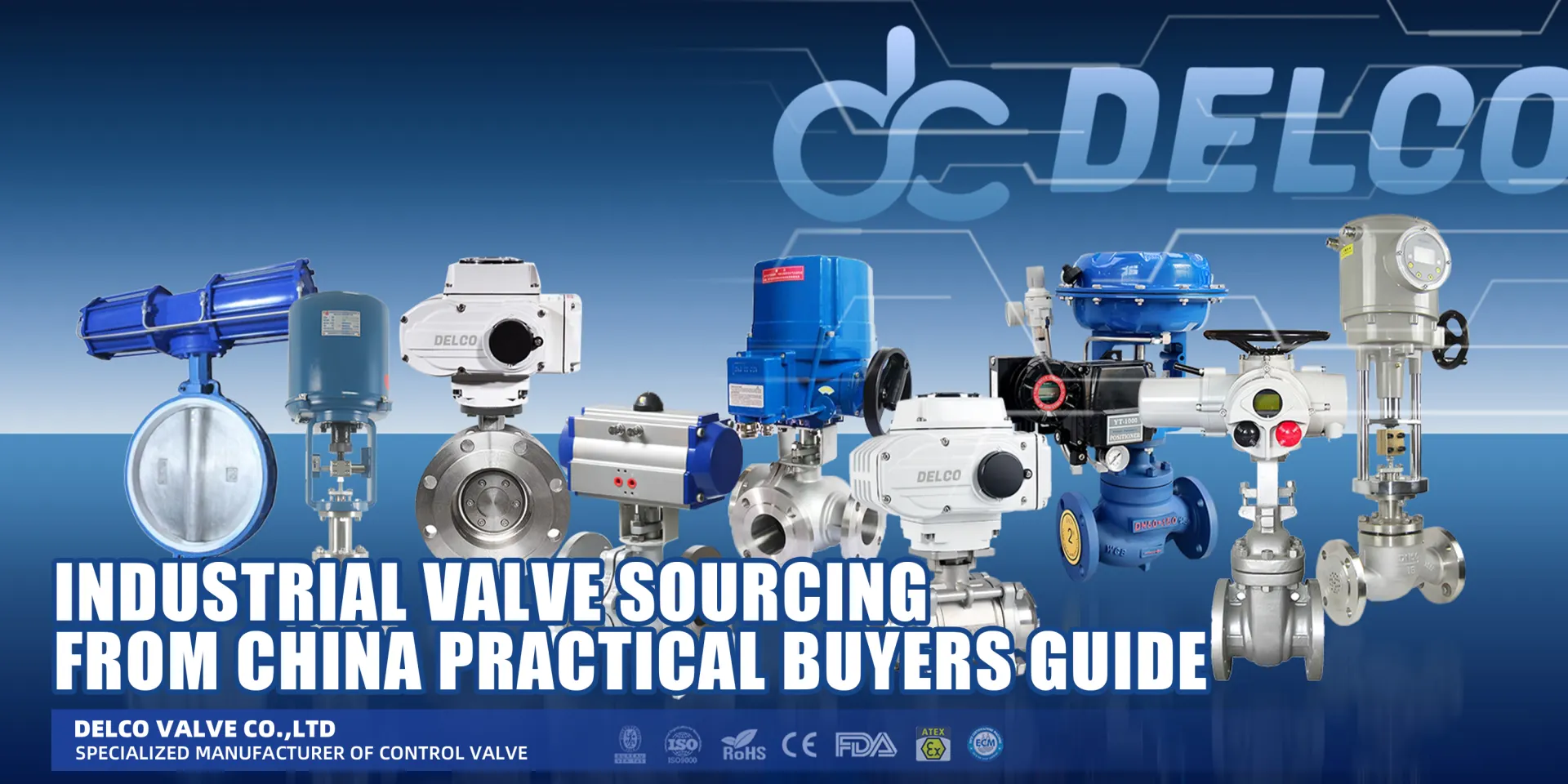
Sourcing Industrial Valves from China: A Practical Guide for International Buyers
Jul 23, 2026
Why PTFE Lined Valves Are Critical for Corrosive Industrial Systems
In severe industrial environments, managing highly corrosive fluids like strong acids, alkalis, and toxic chemicals demands uncompromising flow control solutions. Standard metal valves fail rapidly under these aggressive conditions, leading to frequent leaks, costly downtime, and severe safety hazards. Maximizing corrosion resistance is not just an operational goal—it is a safety imperative.
PTFE (Polytetrafluoroethylene) lined butterfly and ball valves serve as the ultimate defense mechanism for processing plants worldwide. By engineering a robust, chemically inert barrier between the fluid and the valve’s metal body, these specialized valves eliminate the risk of chemical degradation.
- Zero Leakage Integrity: High-density PTFE linings prevent fugitive emissions, protecting personnel and the environment.
- Cost Efficiency: Eliminates the need for expensive exotic alloys like Hastelloy or Titanium.
- Extended Service Life: Exceptional resistance to chemical attack minimizes wear, significantly lowering the total cost of ownership.
For global industries demanding high reliability, choosing PTFE lined butterfly and ball valves ensures maximum uptime, strict regulatory compliance, and total peace of mind in the face of the most challenging media.
Understanding PTFE Lined Valves
What Are PTFE Lined Valves?
When you are managing aggressive chemicals, standard metal valves simply won’t hold up. That is where PTFE lined valves come in. We engineer these valves by taking a heavy-duty metal body—usually cast iron, ductile iron, or carbon steel—and molding a thick layer of Polytetrafluoroethylene (PTFE) over all internal surfaces that come into contact with the process fluid.
PTFE, commonly known as Teflon, is a fluoropolymer that provides an impenetrable barrier against chemical attacks. By combining the mechanical strength of a metal shell with the extreme chemical resistance of a plastic liner, these valves handle highly corrosive fluids without leaking, corroding, or contaminating your media.
Fully Lined vs Partially Lined Valve Structures
Choosing the right lining configuration depends on how much protection your pipeline actually needs. We break them down into two primary structures:
- Fully Lined Valves: The PTFE liner completely covers the entire internal body cavity, the stem, and the disc or ball. The process fluid never touches the metal housing. This is the gold standard for high-purity applications, strong acids, and highly corrosive chemical transfer systems.
- Partially Lined Valves: Only the high-wear areas—typically the valve seat or the disc edge—are lined with PTFE. The rest of the valve body relies on stainless steel or other alloys. These work well for mildly corrosive fluids or when you want to balance cost with targeted protection.
| Feature | Fully Lined Valves | Partially Lined Valves |
|---|---|---|
| Fluid Isolation | 100% isolation from metal body | Partial isolation; metal body is exposed |
| Corrosion Protection | Maximum (Handles strong acids/alkalis) | Moderate (Best for mild chemicals) |
| Cost Profile | Higher initial investment | Budget-friendly |
| Best Used For | Chemical processing, pharmaceutical lines | Water treatment, general manufacturing |
PTFE Lined Butterfly Valves vs PTFE Lined Ball Valves
While both designs excel at maximizing corrosion resistance, choosing between a PTFE lined butterfly valve and a PTFE lined ball valve comes down to space, flow dynamics, and pressure.
- PTFE Lined Butterfly Valves: These utilize a lined disc that rotates 90 degrees inside the pipe. They are incredibly compact, lightweight, and cost-effective, making them perfect for large-diameter pipelines and low-pressure throttling or isolation.
- PTFE Lined Ball Valves: These feature a lined sphere with a hole through the center. They provide a straight-through flow path with zero restriction when fully open. If your operation demands bubble-tight shutoff at higher pressures or handles highly viscous fluids, the ball valve is your best choice.
Why PTFE Lining Is Ideal for Corrosive Environments
When we talk about maximizing corrosion resistance, Polytetrafluoroethylene (PTFE) is the undisputed heavyweight champion. It isn’t just a coating; it’s a protective fortress for your valve internals. Choosing PTFE lined butterfly and ball valves ensures that your metal components never touch the aggressive media they handle, effectively neutralizing the risk of structural failure.
Exceptional Chemical Inertness Against Acids and Alkalis
PTFE is famous for its “inert” personality. It simply refuses to react with almost anything. Whether you are transporting high-concentration sulfuric acid, caustic soda, or aggressive solvents, PTFE lined valves maintain their integrity.
- Universal Compatibility: Resists nearly all chemicals ($pH$ 0-14).
- Zero Corrosion: Eliminates the “pitting” seen in high-grade alloys.
- Longevity: Reduces the frequency of valve replacements in harsh chemical lines.
Stable Performance Under Wide Temperature Conditions
Industrial processes aren’t always steady. Our valves are designed to handle thermal swings without cracking or losing their seal.
- Operating Range: Typically stable from -29°C to 200°C.
- Thermal Expansion: The lining is engineered to stay bonded to the valve body, preventing “liner collapse” during temperature shifts.
Low Friction and Non-Stick Surface Advantages
One of the best perks of PTFE lining is its slippery nature. It has one of the lowest coefficients of friction of any solid material.
- Lower Torque: Because the ball or disc glides easily against the seat, you can use smaller, more affordable actuators.
- Anti-Scaling: Media won’t “stick” to the valve walls, preventing buildup that usually leads to clogging or increased pressure drop.
Preventing Fluid Contamination in Sensitive Processes
In the pharmaceutical and food industries, the purity of the product is everything. PTFE lined butterfly and ball valves act as a non-leaching barrier.
- High Purity: PTFE does not shed particles or leach chemicals into the flow stream.
- Easy Cleaning: The non-stick surface allows for more effective CIP (Clean-in-Place) cycles, ensuring no batch-to-batch cross-contamination.
| Feature | PTFE Benefit | Impact on System |
|---|---|---|
| Chemical Resistance | Full $pH$ range coverage | Lower maintenance costs |
| Surface Tension | Non-stick properties | Better flow rates / No Clogging |
| Friction | Ultra-low | Extended seal life / Lower torque |
PTFE Lined Valves vs Other Industrial Valve Materials
Choosing the right material for harsh fluid handling determines how long your system stays online. When maximizing corrosion resistance, comparing lining and sealing materials reveals why a PTFE lined butterfly valve or PTFE lined ball valve is often the safest, most cost-effective choice for aggressive media.
PTFE Lined vs Stainless Steel Valves
While stainless steel (like 316L) is a go-to for many industrial applications, it falls short against highly concentrated acids, hot chlorides, and aggressive alkalis.
- Chemical Attack: Strong acids like hydrochloric or sulfuric acid will cause pitting and catastrophic failure in stainless steel. PTFE-lined valves create an impenetrable barrier that keeps the underlying metal completely isolated from the media.
- Cost Efficiency: Upgrading to exotic alloys like Hastelloy or Titanium solves the corrosion issue but skyrockets your upfront expenses. A PTFE-lined carbon steel or stainless steel valve gives you the same high-tier chemical resistance at a fraction of the price.
| Feature | Stainless Steel Valves | PTFE Lined Valves |
|---|---|---|
| Acid Resistance | Poor to Moderate | Outstanding (Nearly Universal) |
| Pitting Risk | High in chloride environments | Zero |
| Relative Cost | Baseline | Moderate (Cheaper than exotic alloys) |
PTFE vs EPDM, FKM and Other Elastomer Seals
Elastomer seals like EPDM and FKM (Viton) are flexible and provide tight shut-off, but they degrade quickly when exposed to aggressive industrial chemicals and high temperatures.
- Chemical Degradation: Elastomers absorb chemicals, leading to swelling, blistering, and eventual cracking. PTFE lined butterfly and ball valves use a fluoropolymer structure that resists chemical absorption and breakdown.
- Temperature Limits: EPDM and standard rubbers fail as temperatures climb toward industrial extremes. PTFE maintains its structural integrity and sealing shape across a much wider temperature bracket.
- Shelf Life: Unlike rubber seals that harden and crack over time just from atmospheric exposure, PTFE does not age or degrade, reducing your spare parts inventory costs.
PTFE vs UHMWPE and Ceramic Linings in Abrasive Media
When your slurry or chemical lines also contain solids, choosing the right liner requires balancing chemical resistance with mechanical wear.
Key Takeaway: PTFE is the gold standard for pure chemical corrosion resistance. However, if your system handles highly abrasive, heavy grit slurries, pairing it with harder materials or selecting a specialized ceramic liner may be necessary to prevent premature mechanical wear.
- UHMWPE (Ultra-High-Molecular-Weight Polyethylene): Excellent for pure abrasion resistance and slick handling, but it lacks the high-temperature limits and universal chemical inertness of PTFE.
- Ceramic Linings: Extremely hard and perfect for severe abrasion, but brittle. Ceramics run a high risk of cracking under thermal shock or mechanical impact, whereas PTFE offers flexibility and reliable impact absorption.
PTFE Lined Butterfly Valve vs Ball Valve: Key Differences
When configuring a corrosive industrial system, choosing between a PTFE lined butterfly valve and a PTFE lined ball valve comes down to how they handle flow, pressure, and space. Both offer maximum corrosion resistance, but their physical designs suit different operational demands.
Flow Control Characteristics and Applications
- PTFE Lined Ball Valves: Feature a straight-through bore that allows for unobstructed fluid flow. They offer minimal pressure drop and excellent on-off control. They are the go-to choice for heavy-duty chemical transfer and isolation.
- PTFE Lined Butterfly Valves: Use a disc that rotates in the center of the pipe. While primarily used for on-off isolation, they can handle basic throttling. However, the disc remains in the flow path, creating a slight restriction.
Pressure Rating and Sealing Performance
Ball valves generally provide a tighter, more robust seal at higher pressures because the fluid pressure forces the ball against the PTFE seats. Butterfly valves are highly reliable but are typically limited to lower operating pressure ratings compared to ball valves.
| Feature | PTFE Lined Ball Valve | PTFE Lined Butterfly Valve |
|---|---|---|
| Sealing Design | Floating or trunnion ball against full PTFE seats | Disc sealing against a continuous PTFE liner |
| Pressure Capability | High pressure ratings (up to ANSI 150/300) | Moderate to low pressure systems |
| Shut-off Integrity | Bubble-tight bi-directional sealing | Excellent, but sensitive to high differential pressure |
Space Requirements, Weight, and Installation Flexibility
- Space & Weight: PTFE lined butterfly valves are exceptionally compact and lightweight. Their short face-to-face dimensions mean they slip easily between pipe flanges, reducing structural support needs.
- Installation Footprint: PTFE lined ball valves have a larger footprint and are significantly heavier. They require more physical space for installation and maintenance.
Cost Efficiency and Lifecycle Comparison
- Initial Investment: Butterfly valves offer a highly cost-effective solution, especially in larger pipe sizes (3 inches and above), due to using less material.
- Lifecycle and Value: Ball valves carry a higher upfront cost but deliver a long service life with minimal maintenance in high-cycle, high-pressure chemical lines, maximizing corrosion resistance over time.
Industrial Applications of PTFE Lined Valves
When you are managing aggressive media, standard valves fail fast. That is why maximizing corrosion resistance: why choose PTFE lined butterfly and ball valves? becomes the central question for plant operators. Our PTFE lined valves serve as the dependable backbone across heavy industries where fluid containment is non-negotiable.
Chemical Processing and Acid Transfer Systems
Chemical plants handle the most punishing fluids on earth, from sulfuric and hydrochloric acids to highly reactive alkalis.
- Core Challenge: Unlined metallic valves corrode within weeks, causing toxic leaks and unscheduled shutdowns.
- Our Solution: Our PTFE lined ball valves provide a completely inert barrier. The chemical resistance of the lining ensures that aggressive media never touches the metal housing, guaranteeing safe acid transfer and long-term system integrity.
Pharmaceutical and Food Grade Production Lines
Purity is everything in sanitary processes. You cannot afford batch contamination from degrading valve materials or fluid trapped in crevices.
- Zero Contamination: PTFE is inherently non-reactive and features an ultra-smooth, non-stick surface.
- Hygiene Compliance: These valves prevent bacterial growth and product buildup, making them easy to clean during CIP (Clean-in-Place) cycles.
- Application: Ideal for processing active pharmaceutical ingredients (APIs), high-purity water, and acidic food products.
Water Treatment and Desalination Plants
Desalination and industrial wastewater facilities deal with high-salinity brine, harsh chemicals, and water purification agents that rapidly eat away at standard piping components.
| Water Treatment Application | Media Managed | Preferred Valve Type |
|---|---|---|
| Desalination Intake | High-chloride seawater & brine | PTFE Lined Butterfly Valves |
| Chemical Dosing | Sodium hypochlorite, coagulants | PTFE Lined Ball Valves |
| Ion Exchange | Regeneration acids and caustics | PTFE Lined Ball/Butterfly |
Choosing a PTFE lined butterfly valve for large-diameter water lines offers a lightweight, space-saving design that completely resists chloride-induced pitting.
Oil, Gas, and Petrochemical Industries
Downstream petrochemical refining involves sour gas, produced water, and aggressive hydrocarbon mixtures laden with corrosive chemicals.
- Reliable Isolation: We supply heavy-duty lined valves designed to withstand the volatile environments of petrochemical processing.
- Bubble-Tight Shutoff: The combination of a robust metal body for pressure containment and a premium PTFE liner ensures absolute sealing, reducing fugitive emissions and protecting your personnel and assets from hazardous leaks.
Common Issues: Corrosion, Erosion, and Cavitation Risks
Even when you use high-performance PTFE lined valves, harsh process conditions can still cause premature failure if the system design is flawed. Protecting your pipeline requires understanding how chemical, mechanical, and operational stresses interact with the lining.
Difference Between Chemical Corrosion and Mechanical Erosion
While Maximizing Corrosion Resistance: Why Choose PTFE Lined Butterfly and Ball Valves? is the primary goal for most chemical plants, it is vital to separate chemical attacks from physical wear.
| Wear Type | Cause | Effect on PTFE Lining |
|---|---|---|
| Chemical Corrosion | Molecular breakdown caused by incompatible, highly aggressive media at extreme temperatures. | Softening, swelling, discoloration, or blistering of the polymer layer. |
| Mechanical Erosion | Physical wear caused by solid particles, abrasive slurries, or high-velocity fluids striking the surface. | Thinning of the lining, tearing, scratches, and eventual peeling from the metal core. |
High Flow Velocity Impact on PTFE Lining
PTFE is a relatively soft fluoropolymer. When fluid velocities exceed recommended limits, the sheer kinetic energy of the media can shear or deform the plastic lining. High-velocity fluids carrying minor suspended solids act like sandpaper, rapidly wearing down the protective barrier and exposing the underlying metal body to catastrophic localized corrosion.
Cavitation Damage During Throttling Operation
Using a PTFE lined ball valve or butterfly valve for strict throttling rather than simple on-off service often triggers cavitation. When liquid passes through a partially open valve, velocity increases and pressure drops below the vapor pressure, forming vapor bubbles. As these bubbles move downstream into higher pressure zones, they collapse violently.
Warning: The microscopic shockwaves generated during bubble implosion can exceed the tensile strength of PTFE, literally tearing micro-chunks out of the liner.
Installation and Operation Mistakes That Reduce Lifespan
Poor field practices frequently ruin high-quality lined valves before they even see significant service. Avoid these common mistakes to maximize your equipment lifespan:
- Over-torquing Flange Bolts: Excessive tightening crushes the PTFE raised face or sealing lip, causing cold flow (deformation) and creating path leaks.
- Using Misaligned Piping: Forcing a valve into misaligned pipes puts uneven mechanical stress on the valve body, warping the internal liner.
- Inverted Throttling: Leaving a butterfly valve open at less than 20° creates high-velocity concentrated jets that destroy the seat area.
- Welding Nearby: Performing structural welding close to an installed valve transfers heat down the pipe, easily melting or distorting the PTFE material.
How to Select the Right PTFE Lined Valve
Choosing the right equipment determines the safety and efficiency of your piping system. When maximizing corrosion resistance: why choose PTFE lined butterfly and ball valves becomes your primary focus, making the right selection depends on aligning valve specifications with your specific process conditions.
Pressure, Temperature, and Media Compatibility
PTFE is highly resistant to chemical attack, but it operates within strict physical boundaries. You must evaluate the application’s unique combination of pressure, temperature, and chemical composition.
- Chemical Media: Confirm that the specific acid, alkali, or solvent matches the capabilities of pure or modified PTFE.
- Temperature Limits: PTFE handles temperatures from -30°C to 200°C. Exceeding these limits causes the lining to soften or degrade.
- Pressure Ratings: High temperatures reduce the pressure-bearing capacity of the lining. Always verify the pressure-temperature curve of the valve to prevent liner collapse or blowout.
Proper Valve Sizing and Flow Coefficient (Cv)
An incorrectly sized valve leads to premature failure, cavitation, and system bottlenecks. Focus on the flow coefficient ($Cv$) to ensure the valve performs efficiently within your piping layout.
Cv = Q * sqrt(SG / dP)
Where $Q$ is the flow rate, $SG$ is the specific gravity of the fluid, and $dP$ is the pressure drop.
- Oversizing: Causes the valve to operate in a nearly closed position, accelerating liner wear and mechanical erosion due to high-velocity throttling.
- Undersizing: Restricts flow, increases system pressure, and forces pumps to work harder, raising energy costs.
- Ball vs. Butterfly Cv: Ball valves offer a straight-through flow path with a higher $Cv$, making them ideal for unrestricted flow. Butterfly valves introduce a disc into the flow stream, which slightly reduces the $Cv$ but offers excellent control.
Connection Types: Flanged, Wafer, and Others
The connection type must match your piping infrastructure, installation space, and weight limitations.
| Connection Type | Best Used For | Key Advantage |
|---|---|---|
| Flanged | Heavy-duty applications, high-pressure lines, and larger pipe diameters. | Maximum structural stability and secure sealing. |
| Wafer | Compact spaces and weight-sensitive installations. | Lightweight, easy to install, and cost-effective. |
| Lug | Systems requiring dead-end service or frequent downstream maintenance. | Allows piping disconnection on one side while keeping the other pressurized. |
International Standards: ISO, ANSI, DIN Compliance
To guarantee safety, quality, and drop-in compatibility with global piping systems, select valves that comply with recognized international standards.
- Face-to-Face Dimensions: Ensure compliance with ASME B16.10 (ball valves) or API 609 / EN 558 (拉 or wafer butterfly valves) for an exact fit during installation.
- Flange Drilling: Match your existing pipeline standards, whether it is ANSI/ASME B16.5 (Americas), DIN/EN 1092 (Europe), or JIS (Asia).
- Testing and Inspection: Specify valves tested according to API 598 or ISO 5208 to guarantee zero-leakage performance in critical chemical services.
Maintenance Tips to Extend Service Life
Keeping your PTFE lined butterfly and ball valves in top shape isn’t just about avoiding leaks; it’s about protecting your bottom line. While PTFE is incredibly durable, a “set it and forget it” mentality will lead to premature failure. We recommend a proactive approach to ensure these components reach their full potential in your corrosive systems.
Regular Inspection and Early Wear Detection
Don’t wait for a visible leak to check your hardware. Scheduled maintenance allows you to spot issues before they become catastrophic.
- Visual Checks: Look for signs of “cold flow” or deformation at the flange faces.
- Leakage Monitoring: Use ultrasonic or visual checks at the stem and body joints.
- Actuator Alignment: Ensure the actuator is perfectly aligned; side-loading is a leading cause of premature lining wear in PTFE lined butterfly valves.
Using Filters and Strainers for Upstream Protection
PTFE is chemically invincible but mechanically vulnerable to sharp debris. Even small metal shavings or scale can score the lining, leading to a “path of least resistance” for corrosive media.
- Install Y-Strainers: Place these upstream to catch particulates that could scratch the ball or disc.
- Maintain Cleanliness: During initial piping installation, flush the system thoroughly before the valves are in place to prevent construction debris from damaging the fluoropolymer lining.
Proper Operation to Avoid Partial Throttling Damage
One of the most common mistakes is using a PTFE lined ball valve for throttling. These valves are designed for “On/Off” service.
- Avoid Cavitation: Operating a ball valve in a cracked-open position creates high-velocity turbulence that can erode the PTFE seat.
- Use Proper Trim: If flow control is necessary, ensure you are using a specifically designed V-port ball or a PTFE lined butterfly valve rated for modulating service.
Reducing Downtime and Total Cost of Ownership
Maximizing corrosion resistance is only half the battle; the goal is reducing the Total Cost of Ownership (TCO).
| Strategy | Impact on TCO |
|---|---|
| Proper Torquing | Prevents flange deformation and extends seal life. |
| Spare Parts Kit | Keeps seats and seals on hand to reduce emergency downtime. |
| Operator Training | Prevents “ham-fisting” or over-torquing manual handles. |
By following these steps, you ensure your PTFE lined valves remain the strongest link in your chemical processing chain, significantly extending the interval between replacements.
FAQ: Maximizing Corrosion Resistance with PTFE Lined Butterfly and Ball Valves
How long does PTFE lining last in corrosive media?
In most highly corrosive systems, a quality PTFE lining can last 5 to 10 years or more. Lifespan depends entirely on temperature, pressure, and chemical concentration. Regular inspection helps spot premature wear before failure occurs.
Can PTFE lined valves handle high temperature applications?
Yes, but within limits. PTFE lined valves operate reliably up to 180°C to 200°C (356°F to 392°F). Beyond these temperatures, the material softens, reducing its pressure rating and resistance to permeation.
Are PTFE lined valves suitable for abrasive slurry conditions?
Generally, no. PTFE is relatively soft and susceptible to mechanical erosion from hard particles. For abrasive slurries, UHMWPE, ceramic linings, or specialized elastomers offer much better wear resistance.
Which is better: butterfly valve or ball valve for chemical systems?
- Choose PTFE Lined Ball Valves for high-pressure systems, tight bubble-tight shutoff, and minimal flow restriction.
- Choose PTFE Lined Butterfly Valves for large pipeline diameters, compact spaces, and cost-effective flow throttling.
What industries most commonly use PTFE lined valves?
These valves are standard equipment across several demanding sectors:
- Chemical Processing: Handling acids, alkalis, and toxic fluids.
- Pharmaceutical & Food: Ensuring zero fluid contamination in high-purity lines.
- Water Treatment: Managing desalination and corrosive chemical dosing.
- Petrochemical: Moving highly reactive process media safely.
Get a Custom PTFE Lined Valve Solution
Standard, off-the-shelf valves often fail when facing aggressive acids, high-purity chemicals, or extreme temperature cycling. Every industrial system has unique piping layouts, pressure requirements, and chemical flows. That is why we provide tailored engineering services to deliver the exact PTFE lined butterfly and ball valves your specific application demands.
We work directly with your engineering teams to customize valve body materials, lining thicknesses, and actuation types to ensure maximizing corrosion resistance in your facility.
Tailored Valve Configurations for Global Industries
- Custom Dimensions: Tailored face-to-face dimensions and flange connections conforming to ANSI, DIN, or ISO standards.
- Material Selection: Choice of virgin PTFE, modified PTFE, or TFM linings paired with ductile iron, carbon steel, or stainless steel bodies.
- Actuation Integration: Precision matching with pneumatic, electric, or manual operators configured for your automation setup.
| Custom Option | Available Specifications | Common Industrial Use |
|---|---|---|
| Lining Material | Virgin PTFE, PFA, TFM | High-concentration acid transfer, ultra-pure chemicals |
| Body Material | WCB, CF8, CF8M, Ductile Iron | Petrochemical, marine environments, water treatment |
| Size Range | DN15 to DN1200 (1/2″ to 48″) | Small-scale batch processing to large main transmission lines |
Don’t risk system failure with generic components. Get a high-performance, custom-engineered fluid control solution designed to eliminate leaks, reduce maintenance downtime, and extend your operational lifecycle. Contact our technical team today to receive an exact quote and engineering blueprint for your process line.
Share on Social:


Contact Us
In This Article
Best Valves for Desalination Plants in Saudi Arabia and UAE
Jul 30, 2026
HVAC Valves for District Cooling Systems in Middle East: Selection Guide
Jul 27, 2026
Valves for Middle East Oil and Gas Industry: Selection Guide for Harsh Desert Environments
Jul 25, 2026
Sourcing Industrial Valves from China: A Practical Guide for International Buyers
Jul 23, 2026